
ADM Milling UK

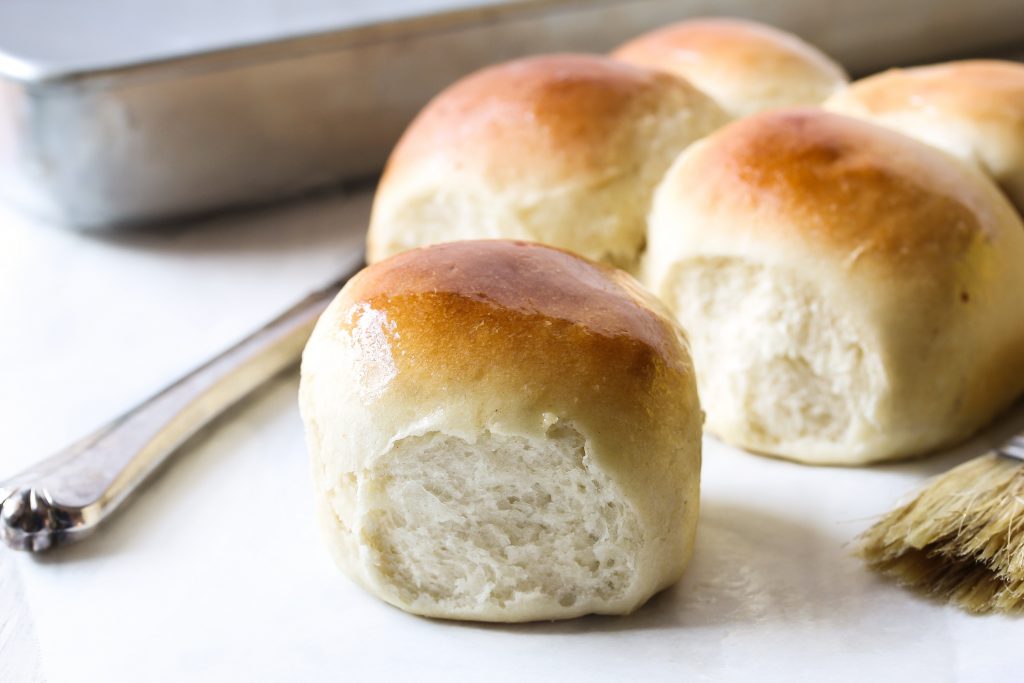
For breads and rolls: Sovereign (1870-16), Breadsoy (6258-25) and Clean Label Improver (4283-12)
Breadsoy is our full-fat, enzyme-active soya flour milled from cleaned raw soya beans. It is a yellow, non-dusty flour with a slightly beany odour and flavour, which is declared on labels as “soya flour.” When used in bread formulations, Breadsoy can strengthen dough water absorption, increase shelf life (through improved moisture retention), and enhance crust colour and internal crumb softness. In trials from the 4Flour “Soya Bread & Rolls” guide, inclusion levels of 3–5 % (on wheat flour weight) were typical, with additional water (4–5 % extra at 3 % inclusion, rising to 7–8 % extra water at 5 %) needed to maintain dough handling. (From Northern Crops “Baking With Soy” guidelines)
Because of its enzyme activity (lipoxygenase), care must be taken: the enzyme can degrade gluten structure if over-fermented. For this reason, Breadsoy is best added during the dough stage (not in pre-ferments or sponges) and mixed carefully to avoid overoxidation.
For cakes and confectionery: Golden Dawn Plain (6259-25) and Trusoy (6259-25)
Trusoy is our enzyme-inactive full-fat soya flour, milled from heat-treated soya beans to deactivate lipoxygenase. Its neutral flavour and stable profile make it ideal for cakes, pastries, biscuits, and confectionary applications. Trusoy helps regulate moisture, improve texture, and extend shelf life without impacting taste or aroma. The 4Flour “Trusoy Recipes” manual includes usages in sponge cakes, muffins, cookies, and sweet doughs, often replacing 5–10 % of wheat flour or fat, depending on formulation and desired protein levels.
Suggested Practice and Guidelines:
Begin by developing a control (0 % soya) batch under your standard process and document parameters (mixing time, water absorption, proof time, loaf volume, crumb texture).
For bread trials, start at 3 % inclusion of Breadsoy; for cakes, try 5 % Trusoy substitution.
Pre-blend soya with wheat flour uniformly to avoid lumps.
Adjust water upward as noted above, depending on inclusion level.
Observe dough handling closely; if dough feels slack or sticky early, it often improves later because soya proteins continue to bind water.
Avoid overproofing: enzyme-active soya can weaken gluten if fermentation is extended.
Use clean label improvers (such as ADM’s 4283-12) to help strengthen dough and compensate for structural weakening.
In baking, moderate oven spring and internal moistness are enhanced by soya’s functional proteins.
By combining Breadsoy in your breads and Trusoy in your cakes, you gain both nutritional value (higher protein, better amino acid balance) and improved shelf life and product quality, while maintaining clean-label claims.
